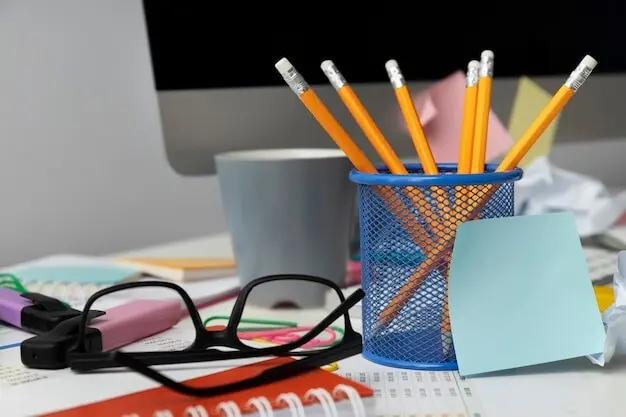
Close the Lids, Open the Room

Step into a meeting culture where eyes meet, markers squeak, and ideas move faster than typing. We’re exploring No-Laptop Meetings: Boosting Engagement with Analog Agendas and Whiteboards, turning attention back to people, purpose, and shared visuals. Expect practical facilitation tips, research-backed benefits, and easy rituals you can adopt today. Grab a pen, claim some wall space, and discover how analog rhythm unlocks clearer decisions, deeper participation, and genuine momentum. Share your experiences, ask questions, and help shape smarter gatherings that respect time and spark contribution.

Why Closing the Lids Works

Backed by cognitive science and everyday experience, shutting laptops removes multitasking traps and restores full-bandwidth attention. Without the glow of screens, listening sharpens, questions surface sooner, and decisions arrive faster. Longhand notes help synthesis, while a shared board keeps everyone oriented. You’ll see fewer side channels, more eye contact, and cleaner outcomes. This isn’t nostalgia; it’s operational clarity achieved through constraints that prioritize presence, curiosity, and collective sensemaking over performative productivity and fragmented focus.

Designing Analog Agendas People Love
Time‑Boxing with Breathing Room

Ambitious schedules backfire when conversation needs oxygen. Use crisp time‑boxes paired with explicit reflection windows. Five minutes of silent jotting before discussion elevates quality, while short buffers between items prevent rollover stress. The result is sharper decisions, less rehashing, and meetings that end on time without feeling rushed.

Prompts That Invite Voices

Ambitious schedules backfire when conversation needs oxygen. Use crisp time‑boxes paired with explicit reflection windows. Five minutes of silent jotting before discussion elevates quality, while short buffers between items prevent rollover stress. The result is sharper decisions, less rehashing, and meetings that end on time without feeling rushed.

Artifacts You Can Hold Later

Ambitious schedules backfire when conversation needs oxygen. Use crisp time‑boxes paired with explicit reflection windows. Five minutes of silent jotting before discussion elevates quality, while short buffers between items prevent rollover stress. The result is sharper decisions, less rehashing, and meetings that end on time without feeling rushed.

Make It Visual, Not Vague

Translate abstractions into diagrams: swimlanes for process, stacks for priority, clusters for categories, timelines for sequencing. Ask participants to draw their understanding before debating words. Disagreements surface productively when pictures clash, leading to clearer models, simpler decisions, and solutions that survive contact with actual constraints.

Facilitation Tricks with Markers and Tape

Use color intentionally: green for options, blue for facts, red for risks. Number columns, add painter’s tape for lanes, and pre‑draw simple frames. Invite people to stand, swap markers, and annotate each other’s ideas. Movement energizes, while lightweight structure keeps exploration focused and evidence‑anchored.

Handling Objections and Edge Cases

Real work is messy, and rules need thoughtful exceptions. Some roles require code, data, or accessibility tools. Remote teammates deserve parity. Rather than slipping back to default laptops, define explicit allowances and alternative paths that protect focus while honoring needs, so inclusion strengthens outcomes instead of diluting attention.

When Screens Are Tools, Not Distractions

Create a short whitelist: screen‑dependent roles, critical dashboards, or assistive technologies. Seat exceptions at the margins facing the board, with notifications silenced. Require visible contributions to the shared surface. The principle stands—shared attention—while essential work continues without turning the room into a scrolling competition.

Hybrid Sessions Without the Awkward Divide

Use a single, room‑facing camera and microphone, and elevate remote participants on one screen that stays static. Mirror the whiteboard with a simple overhead or rolling cam. Assign an in‑room buddy to advocate for remote voices. Keep laptops closed otherwise, preserving coherence across both audiences.

Accessibility, Inclusion, and Psychological Safety

Announce the policy ahead of time, describe why it exists, and invite private messages about accommodations. Offer printed large‑type agendas, colored overlays, or speech‑to‑text on a shared tablet. Most importantly, normalize pauses and questions, so people feel safe raising needs without stigma or penalty.

Real Stories from Teams Who Tried It

Evidence gets personal when outcomes touch names and deadlines. Teams across product, healthcare, and nonprofit settings report shorter meetings, faster alignment, and lighter calendars. With laptops closed, conflict softened, creativity rose, and decisions stuck. These snapshots offer practical inspiration you can remix thoughtfully within your own context.

A Product Sprint that Finally Unstuck

An app team stalled for weeks over onboarding. They banned laptops, posted a simple flow on the whiteboard, and sketched three competing screens. In ninety minutes, they converged on a hybrid path and left with owners, experiments, and dates. Two weeks later, sign‑ups improved twelve percent.

A Board Meeting that Ended Early

A nonprofit board often drifted into updates. Before the next session, the chair mailed concise packets, set three bold decisions on a flip chart, and asked members to bring pens. With no laptops, discussions tightened, votes came easily, and they adjourned early with renewed trust and focus.

Metrics, Habits, and a Rollout Plan

Define Success Before You Begin

Choose two or three measures that matter: time to decision, number of agenda items completed, or stakeholder satisfaction. Capture a baseline week, then compare after your pilot. Celebrate specific improvements publicly to reinforce behavior, and examine misses without blame so learning compounds rather than retreats.

Pilot with Champions, Then Scale

Invite respected facilitators from different teams to try the approach for one month. Provide starter kits—markers, tape, sticky notes, agenda cards—and a check‑in channel. Publish results, refine norms, and expand to more groups. Early advocates lower resistance by sharing candid stories instead of directives.

Keep the Ritual Fresh Over Time

Rotate facilitation, vary agenda formats, and periodically introduce new visual frames. Invite guests to teach a quick whiteboard trick or analog note method. Quarterly, audit meetings for purpose and pruning. When the ritual evolves intentionally, it nourishes attention instead of hardening into yet another habit.

Interactive Exercises to Energize the Room

Simple analog exercises build momentum fast without software overhead. Structured rounds, sketches, and rapid ranking shift dynamics from passive listening to active construction. Because everything lands on paper or board, alignment becomes durable. Use these activities to warm up minds, reduce dominance, and channel energy into crisp outcomes.
Telizorilumaravo
Privacy Overview

This website uses cookies so that we can provide you with the best user experience possible. Cookie information is stored in your browser and performs functions such as recognising you when you return to our website and helping our team to understand which sections of the website you find most interesting and useful.